8
Agile
16+
Germany
About
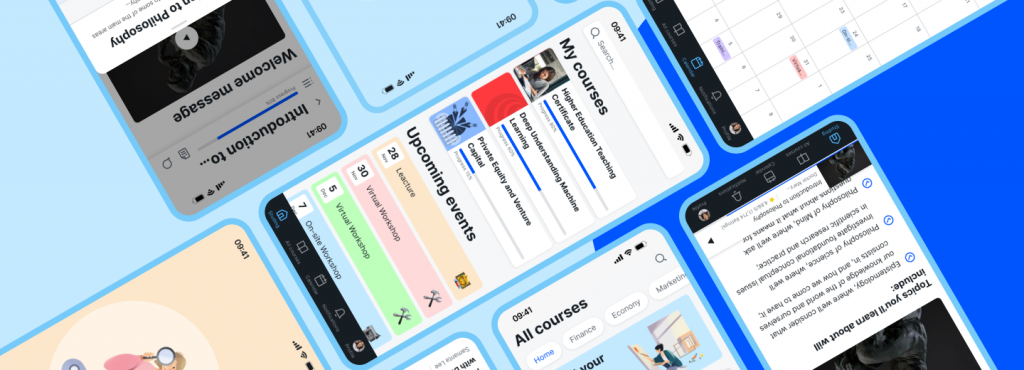
Traditional educational facility required the way to expand their services and bring routine processes automation with digital tools brought with education software development. The solution could be found in the development of native mobile applications for iOS and Android as a platform for students and teachers. While delivering modern and competitive services such as live streaming for several thousands of viewers, simultaneous cooperation work with documents, chat, planning and scheduling of activities, it preserves the unique company’s approach to engaging and dynamic eLearning experience.
Challenge
The educational facility having primarily traditional educational services was interested in a rich and dynamic environment for learners to collaborate, develop critical thinking and problem-solving skills, and share their knowledge with others outside traditional universities.
Solution
The team implemented the idea of sustainable solutions that reflect learners’ best experiences and foster continuity of education with the use of technology and agile software development which is based on data and market evaluations. Aside from the users or market requirements, the team work closely together to collect functional and non-functional requirements from the client, choose the most appropriate tech stack, and plan the project development process.


Analysis
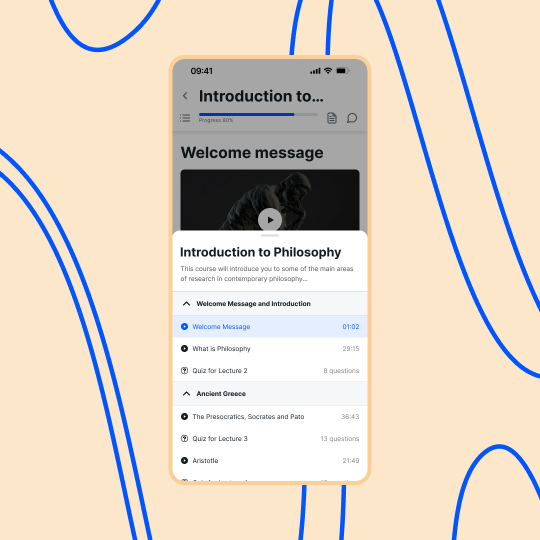
The experience-building goal was in was making the information collection and sharing structure more accessible, feasible, and convenient for both, the students and the teachers. That required the step of market evaluation, the business analysis of the existing trends and techniques and the calculation of their proper implementation within the app. The team made the user flow as short as possible to reduce the confusion experienced by the user, especially when visiting the app for the first time. Such as an example, in the user flow for class discussions, users can access them without having to enter class first which can affect the time efficiency. In addition, the discussion feature can also be accessed directly from the scheduling screen so students can chat with the teacher or other students without long complications. Another example of simplification of the customer journey is videos or stream modules, where students can download or bookmark the lesson. Simple navigation provides a wide lesson space so the learning experience becomes more complex and clear at the same time. The initial journey underwent the testing process with the special audience and with the gathered feedback, the wireframes got several improvements. Mostly that dealt with the scheduling and panning modules, as most of the students expected notifications to come to wearables as well, such an option was added to the experience map. That enlarged the development scope a bit but brought strong improvements that were considered worthy of implementation.
Branding
One of the consideration points for a customer was in preserving the identity of the facility within the product. Nevertheless, not every branding element being great in printing materials was great in digital solutions or an app. That is why the team had to start with the evaluation of the existing items and their possible representation via the app. The team started with the app icon that presents the application on different platforms supporting the original identity. It had to stay in frames of requirements from target marketplaces and deliver unique touch. The team decided to adapt the well-known logo image to the form of an app icon while inside the app they will use its full form as was asked by the customer. Such an approach satisfies everyone, the target users, the application stores and the customer. Other branding elements, such as naming, colour scheme, and lettering found careful representation within the app. UX copyright emphasises the ideation and is clearly traceable through all communicative channels of the facility, including the app.