
30%
60%
The USA
Insurance
About the client
Challenge
Our client faced two major challenges: creating client settlements manually was slow, and human error caused numerous problems in insurance reports, which delayed the claims process. Their goals were to speed up client settlement processing and reduce the amount of manual work creating insurance reports.

Solution

From manual to digital: Building a car accident reporting platform
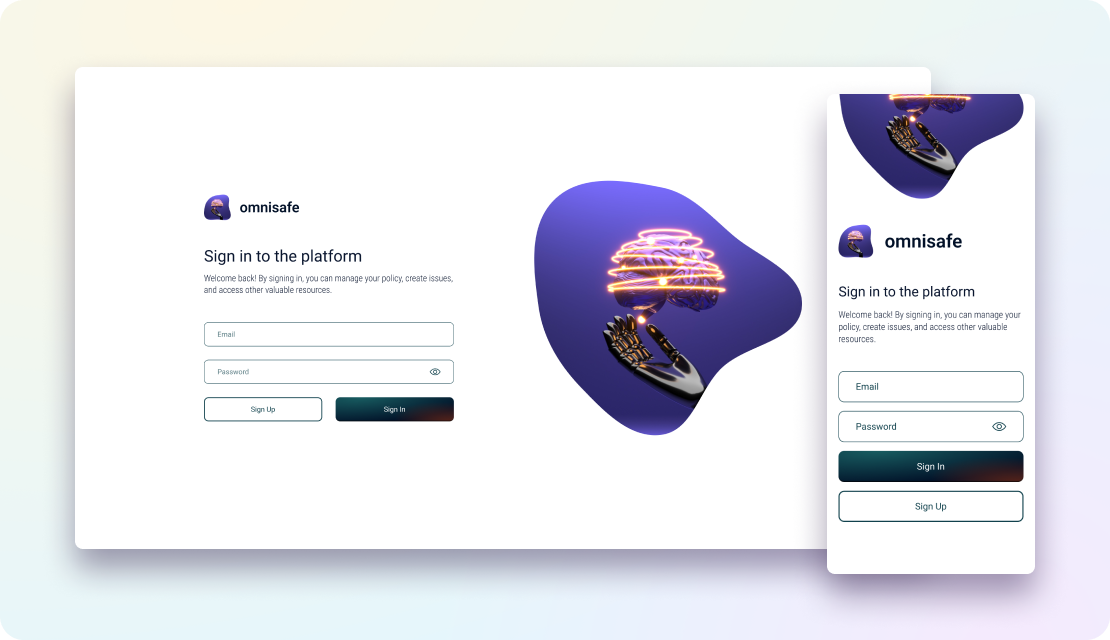
We solved the problem of manual paperwork by creating a digital platform that allowed insurance claim representatives and drivers to automatically enter information at the accident scene, instead of using physical documents.
Our system integrates with the NAIC Registry, which provides access to the Vehicle Identification Number (VIN) for each car involved in an accident. The VIN serves as a unique identifier and contains crucial details about the car, including its license plate and color. By leveraging this integration, we automatically retrieve accurate information about the vehicles involved in the accident, eliminating the potential for errors in recording such details.
To provide valuable context for the accident reports, we also access information about the driver by integrating the solution with the client’s ERP system.
The accident reporting solution caters to three main user roles: Admin, Insurance Agents, and Users.
Enhancing privacy through image blurring based on OpenAI’s tech
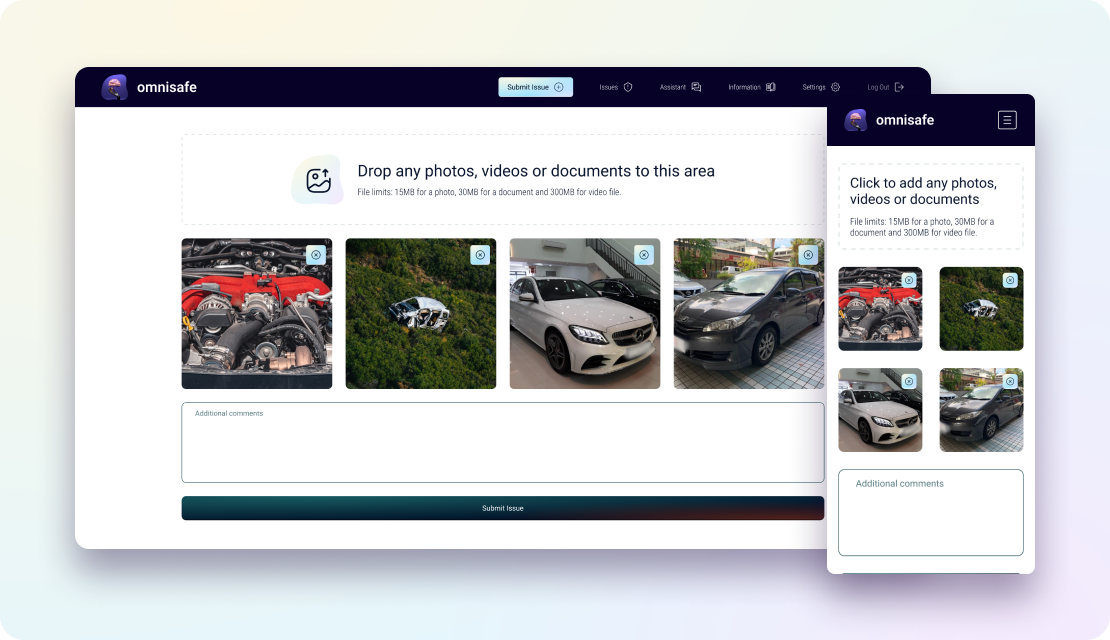
To follow privacy rules and safeguard sensitive information, we needed to blur other cars’ numbers and faces in images taken at the scene of an accident.
We first tried using an image editor to let users blur images manually. But this approach was slow and error-prone, so we looked for a better and more precise solution.
DALL-E is an AI model by OpenAI that uses deep learning to generate images. We integrated DALL-E into our system and trained it for better results. With DALL-E’s skills, our system can spot and blur out license plates and faces in images automatically and quickly. This helps us follow privacy rules while saving time and avoiding errors.
Empowering users with an AI-powered voice chatbot
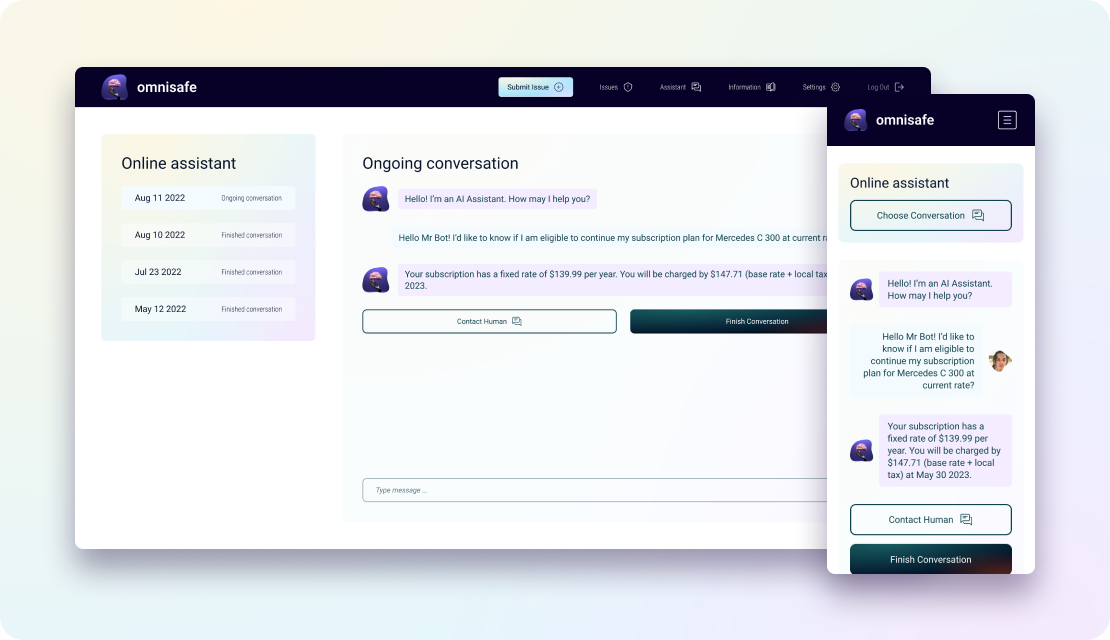
To enhance user support and reduce reporting time, we implemented an AI-powered chatbot within the accident reporting system. This chatbot serves as a virtual assistant, providing valuable information and guidance to both agents and users. Users can interact with the chatbot through voice commands, and not only through text inputs.
We sorted potential user queries into three main categories: accidents involving people, platform functionality, and accident reports. To train the AI model on accident reports, we used pre-existing reports provided by our client.
This way, the chatbot can answer a range of queries, including instructions on what to do in the event of an accident, how to create different types of client settlements, and how to make changes or edits on the accident reporting platform.
Improving road safety with an intelligent Navigator app
After the accident reporting platform went live, and we started monitoring the performance and usage, we identified a pattern revealing a high frequency of accidents on a particular highway. We saw the need for a solution and trained our AI model to learn to spot areas with lots of accidents and mark them as risky zones.
We had two options for applying this information:
- The first option was to give the statistics to agents, allowing them to have a better understanding of the accident-prone areas.
- The second option was to develop a separate application that worked as a navigator to help drivers avoid risky zones.
We showed both options to our client and they loved the second one. So we got to work on the navigation app.
To make the development process more cost-effective, we used React Native. This framework allowed us to create a cross-platform minimum viable product (MVP), compatible with both iOS and Android devices.
The navigator app communicates with the API from the accident reporting platform and uses AI to draw routes and guide drivers, helping them avoid the identified dangerous streets.
By implementing this separate app, we wanted to give drivers real-time information to choose their routes wisely. We also integrated the chatbot into the navigator to provide drivers with valuable information regarding road safety, including updates related to road regulations and changes to street signs.
Evolving the product into a secure and scalable SaaS solution
As the product evolved, it transitioned into a Software-as-a-Service (SaaS) model to offer the accident reporting solution to more insurance companies. During this transition, we introduced several key features and enhancements.
- Subscription. Firstly, we implemented a subscription model, allowing users to access the system through a subscription-based plan.
- Company entity. We added a company entity to facilitate centralized administration and improved user management for insurance businesses using the system.
- User roles and access control. To ensure proper access control and data security, we incorporated roles and permissions into the system. This allowed administrators to assign specific roles to users and control their access to various functionalities and data within the platform.
- Built-in security. We implemented several security measures to protect the system and user data, including basic security protocols like HTTPS and XSS protection, along with defenses against brute-force attacks. Additionally, we employed advanced techniques such as bot detection and banning to combat malicious bots. We used Cloudflare to improve system performance and establish a secure infrastructure.
- Code quality tools. To maintain code quality and integrity, we regularly performed health checks on the codebase using tools like Sonar and Codacy, which helped identify and resolve any code-related issues, ensuring quality SaaS customer experience.
- Scalable architecture. The system architecture was designed with scalability as a primary consideration right from the start, which enabled us to perform a seamless transition to a SaaS model.
Value Delivered
Operational Efficiency
Our accident reporting solution reduced the time required to create client settlements by 30% and minimized problems in insurance reports by 60%.
Improved user confidence
The integration of the chatbot provided drivers and insurance agents with easy access to crucial information during accidents, making them feel informed and confident.
Driver safety
The navigator app enhanced driver safety by enabling them to avoid dangerous zones on the road. This resulted in a reduction in the number of accidents and created a safer driving environment.
Business growth
Our contribution in shifting the product to a SaaS model contributed to the client’s business growth.
We can help you transform your business digitally with ease. Share your challenges with us, and we’ll work with you to find a customized solution that suits your needs.